This website uses cookies

We use cookies and similar technologies on this website to analyze visits and to show you relevant messages on social media. By clicking 'Accept all' you give permission for their placement and for the processing of personal data obtained in this way, as stated in our privacy & cookie statement.

Our privacy & cookie statement:

The life and travels of Escher

The life and travels of Escher

Here you will find articles about Escher’s personal life, key events in it, and the journeys he undertook. 

Escher and the Wadden Islands

1914-1922

Escher and the Wadden Islands

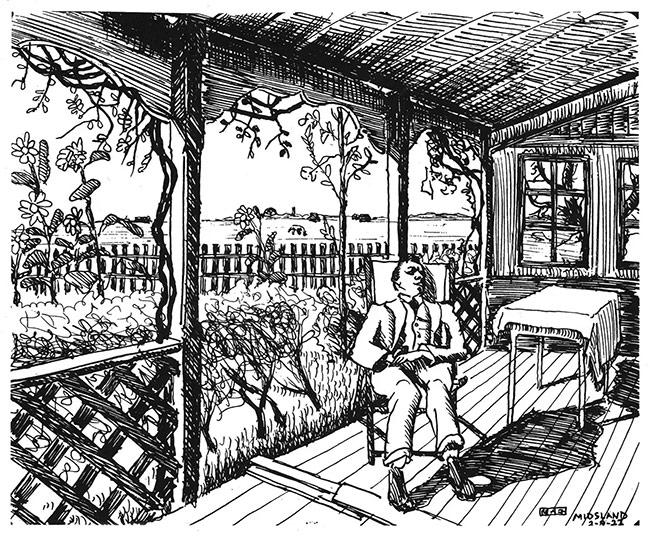
The five Wadden Islands in the north of the Netherlands provide a home for locals but are also a popular holiday destination. Although part of the Netherlands, the islands feel like a foreign country, if only because of the ferry trip you have to make to reach them. Even in M.C. Escher’s early life, the area was a popular destination.
 

Starting in Haarlem

1919

Starting in Haarlem

September 1919 was a life-changing month for Maurits Escher. His first lessons in architecture at the School for Architecture and Decorative Arts in Haarlem started on 6 September and on 17 September he moved to this city. It was not until moving here that the artist in him awoke, even if architecture proved to be a false start.

Escher's beard

1923 - 1972

Escher's beard

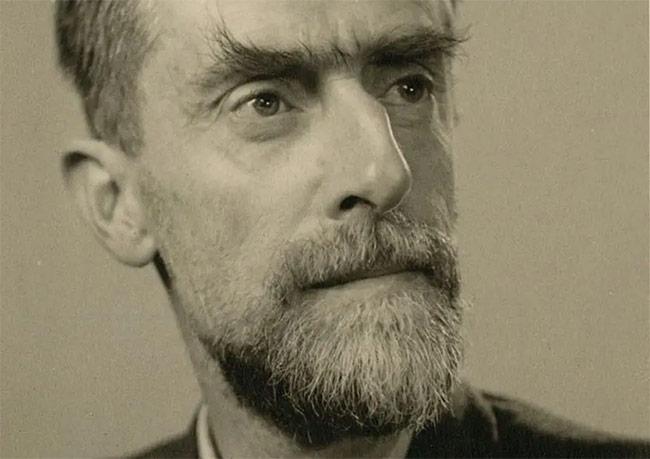
M.C. Escher was a fanatic beard-wearer. One might even suggest he was a hipster well before the term was even invented. He was in his early twenties when his distinctive look started to take shape. He was a tall, skinny man with a big nose, somewhat unkempt hair and was always in a suit. He topped this off with a pointy beard that made his appearance even more refined.
 

Jetta

Jetta

On 12 June 1924, Maurits Cornelis Escher marries Giulietta Umiker, given name Jetta, in the Italian seaside town of Viareggio, not far from Pisa. Four days later, on 16 June, at the urgent request of Jetta, a convalidation ceremony or "blessing of the marriage" was held in a room of a Catholic school. More than a year before their marriage, Escher met her for the first time in hotel Albergo del Toro in Ravello on the Amalfi coast, not far from Naples. Escher was on his first long tour of Italy. Jetta, who was only six months older than him, was travelling with her parents. 

Houses in Rome

1924 - 1927

Houses in Rome

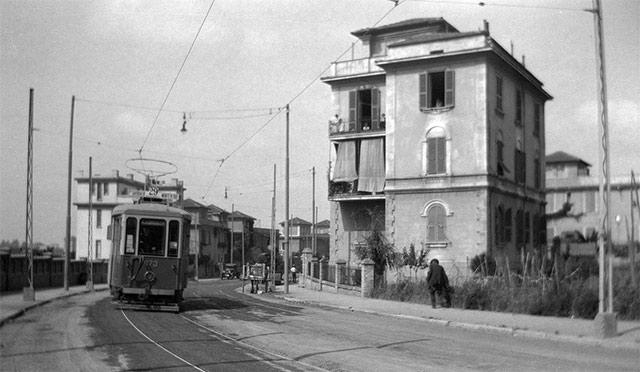
In October 1925 the young couple Maurits and Jetta were finally able to start setting up their first home. It was located on the top floor of a house that was still under construction, in a new Roman neighbourhood on the slopes of the Monteverde. The house on Via Alessandro Poerio 100 was beautifully situated with a view of the Tiber valley.

Summer in Switzerland

1930

Summer in Switzerland

The year 1930 proved to be a year of illness for Escher and his sons George and Arthur. In addition, he hardly sold anything and there were no assignments for new work. The family spent a large part of the summer in Switzerland. They stayed mostly in Steckborn. The Escher family spent some time there almost every summer between 1927 and 1938. 

Jan Walch and Scholastica

1931 - 1933

Jan Walch and Scholastica

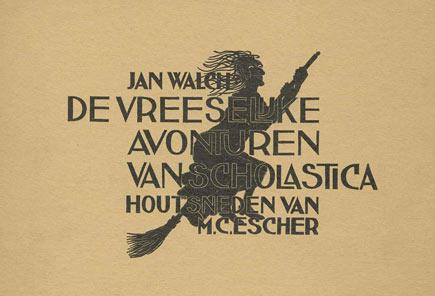
On 22 June 1931 writer Jan Walch and Escher, together with publisher Van Dishoeck, talked about publishing a story by Walch which had been illustrated with woodcuts by Escher. The story was set in Oudewater, a town known for its ‘Heksenwaag’ (witches’ weighhouse). In the summer of 1931 Escher and Walch had visited the town together. 

Expedition to Gargano

1932

Expedition to Gargano

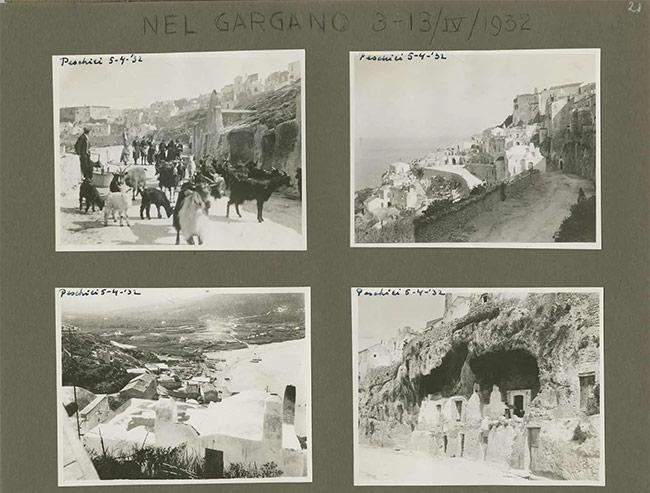
From the 3rd to 13th of April 1932, Escher went on an archaeological expedition to the Gargano peninsula. It was led by Italian professor Ugo Rellini. Rellini was one of the first archaeologists to study this mountainous area. The peninsula stretches about 70 kilometres into the Adriatic Sea and is also known as the ‘Spur of the boot’.

Exhibition in the Dutch Historical Institute

1934

Exhibition in the Dutch Historical Institute

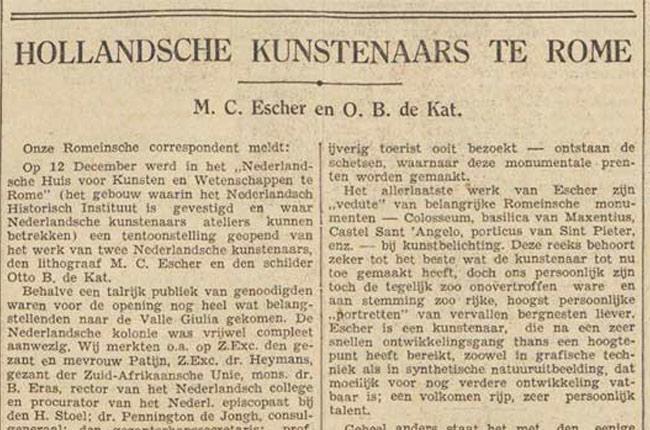
On 12 December 1934, the Dutch Historical Institute in Rome hosted the opening of an exhibition with paintings and drawings by Otto B. Kat (a personal friend of Maurits) and woodcuts and lithographs by M.C. Escher. Despite the rainy conditions, interest in the opening was huge.

Moving to Baarn

1941

Moving to Baarn

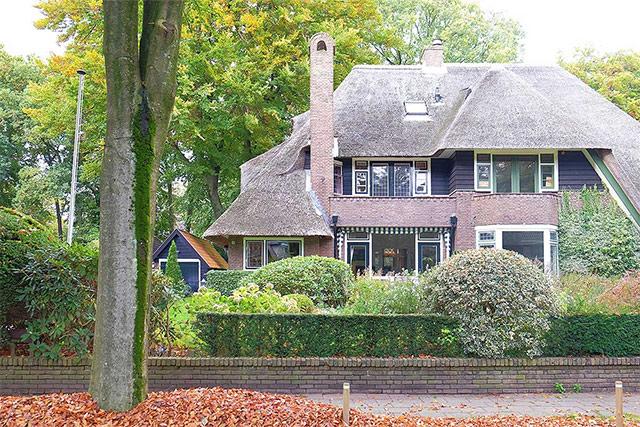
On 20 February 1941 Maurits and Jetta moved with their three children to Nicolaas Beetslaan in Baarn. The couple had been living abroad since 1925. The first years in Rome, then the Swiss town Château-d’Oex and Ukkel, a suburb of Brussels. Due to the arrival of the war and the death of his parents in 1939 and 1940 respectively forced Escher to reconsider his situation. After the German invasion of the Netherlands and Belgium in May 1940, it felt logic to return to his native country.

The 'Kultuurkamer'

1942

The 'Kultuurkamer'

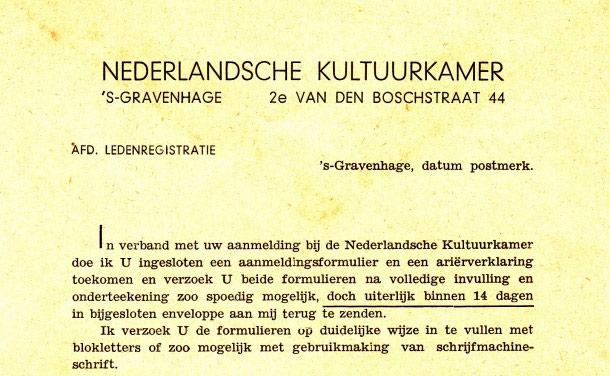
Escher did not fill the page of his diary for the first week of January 1942 with appointments, but rather with a list. He often wrote lists in his diary, but this was a very special one. It contained the names of the artists who had joined the ‘Kultuurkamer’, which was established on 25 November 1941. In Germany itself, the ‘Reichskulturkammer’ was founded on 22 September 1933 by propaganda minister Joseph Goebbels. Its Dutch counterpart was also established to serve the occupying force and its Nazi ideology.

A trip to France with Jan

1950

A trip to France with Jan

On 17 July 1950, Maurits and his youngest son Jan, 11 years old at that time, left for Paris, the beginning of a French trip just like the one he had made as a child.

Escher at school

1952

Escher at school

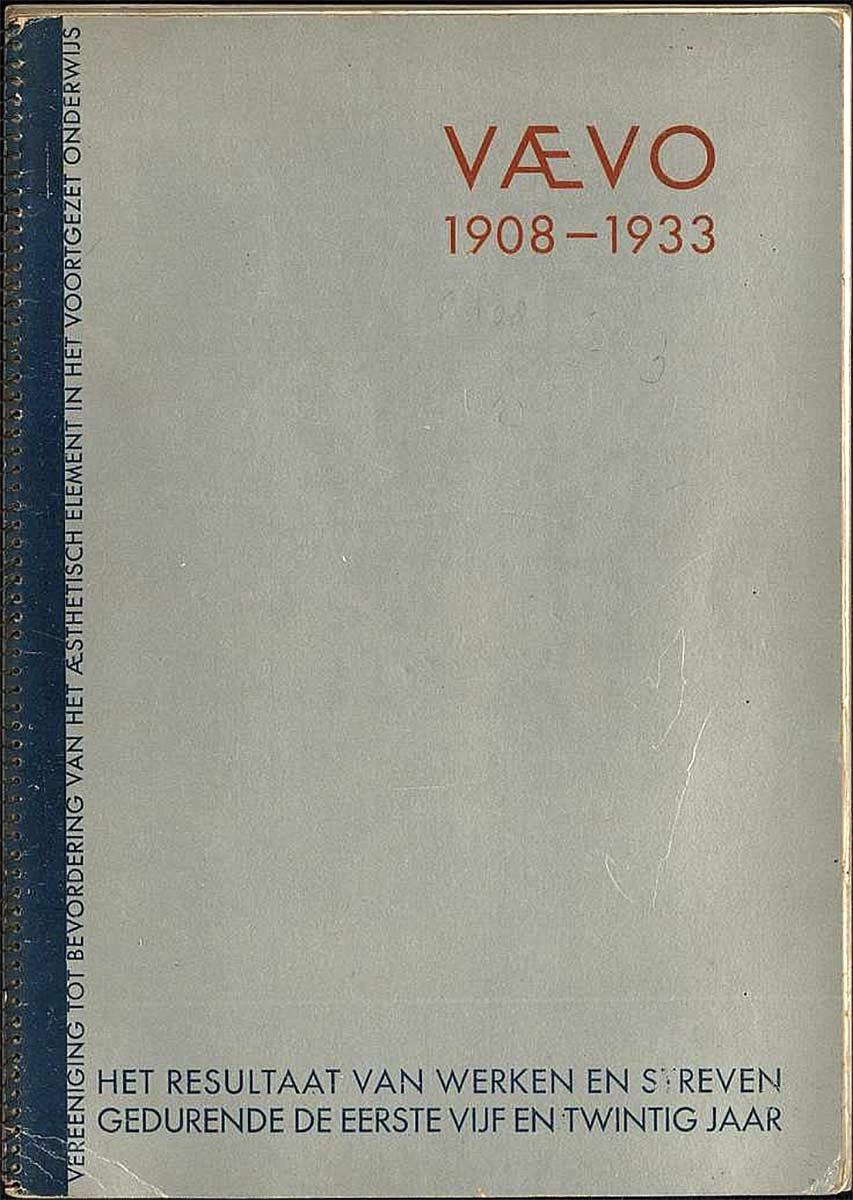
In April 1952, 400 prints were made of the lithograph Contrast (Order and Chaos). By machine, due to the enormous circulation, but under the watchful eye of Escher. It was a commission from the VAEVO (Association for the Promotion of the Aesthetic Element in Secondary Education), which would be distributing the prints to schools in the Netherlands. This would render his work accessible to young people.
 

Lecture in Alkmaar

1953

Lecture in Alkmaar

On 16 November 1953 Escher gave a lecture to the 'Friends of the Stedelijk Museum' in Alkmaar, on the occasion of an exhibition of his work. During those years Escher had frequent opportunities to exhibit in museums, art galleries and universities, often together with two or more fellow members of the Association of Dutch Graphic Artists. He would usually accompany these exhibitions with a lecture on his own work.
 

Light in August

1955

Light in August

In a letter to his son Arthur from 27 February 1955 Escher writes about Light in August, a 1932 novel by William Faulkner, which Escher had read in translation: '... for — Christ! — that gentleman’s English is so damned difficult.'

Knighthood

1955

Knighthood

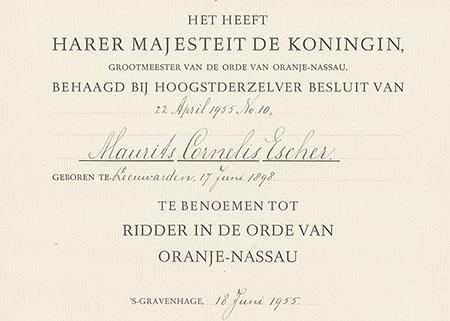
On 28 April 1955, Escher was working in his studio when an alderman and the municipal secretary of the city of Baarn arrived at his doorstep unexpectedly. The visitors told him that the queen intended to appoint him as a Knight in the Order of Orange-Nassau.
 

A liberating exhibition

1955

A liberating exhibition

From the 5th to 31th of May 1955 the Stedelijk Museum in Amsterdam hosted an exhibition under the name Kunstenaars herdenken 5 mei (‘Artists Commemorate 5 May’). This coincided with the first national commemoration: May 5th 1955 was the first time that Liberation Day was celebrated as a public holiday in the Netherlands.

On the s.s. Luna

1957

On the s.s. Luna

On 9 August 1957, Escher boarded the s.s. Luna, which was being loaded at the Surinamekade in Amsterdam. He was to spend over six weeks on board of this freighter, travelling to and across the Mediterranean, passing through a number of ports in Greece.

Crystallography congress Cambridge

1960

Crystallography congress Cambridge

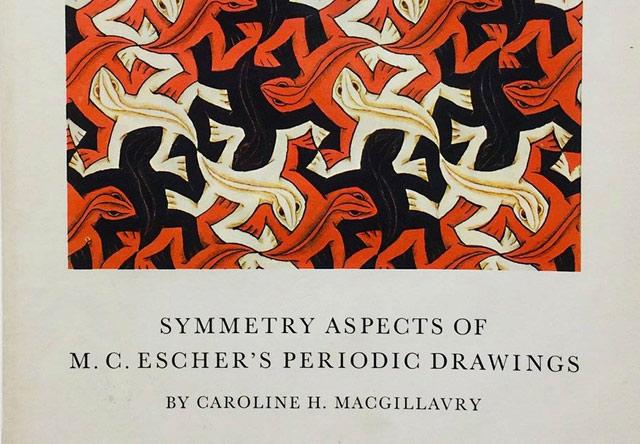
On 19 August 1960, Escher held a lecture at the Fifth Congress and General Assembly of the International Union of Crystallography. He was invited to this congress by Prof. Dr Carolina H. MacGillavry, professor in chemical crystallography at the University of Amsterdam. 

Oulipo

1960-1965

Oulipo

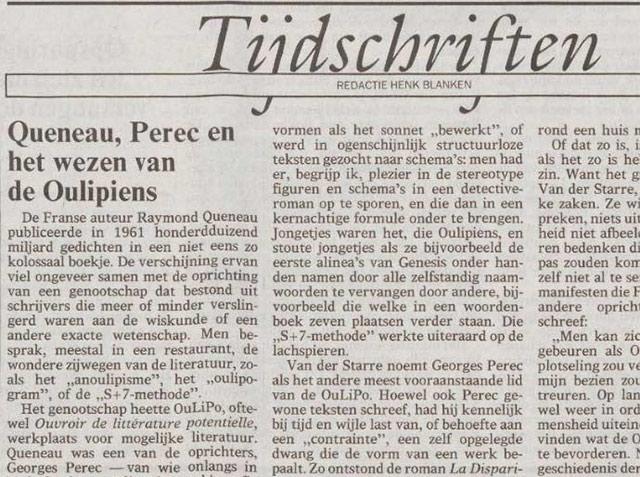
On 24 November 1960, the writer’s workshop Oulipo was founded. This name stands for ‘L’Ouvroir de littérature potentielle‘ (‘Workshop of Potential Literature’). It is a loosely formed group of French-speaking writers and mathematicians who produce literary works that are subject to certain conditions or restrictions. In 1965 the graphic artist was appointed honorary member of this group.

Boat trip with Paul Keller

1961

Boat trip with Paul Keller

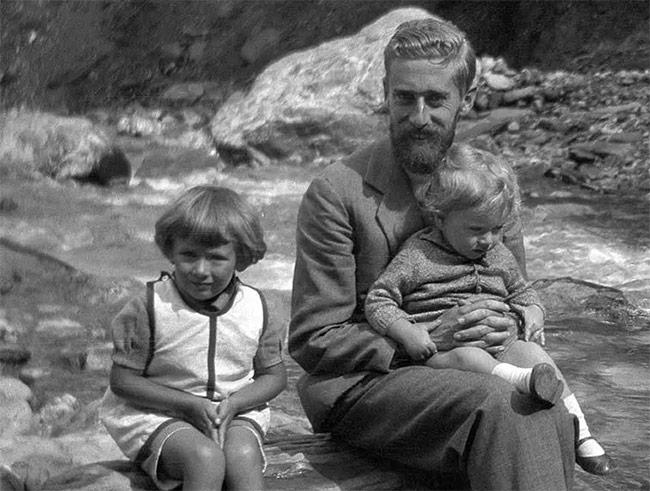
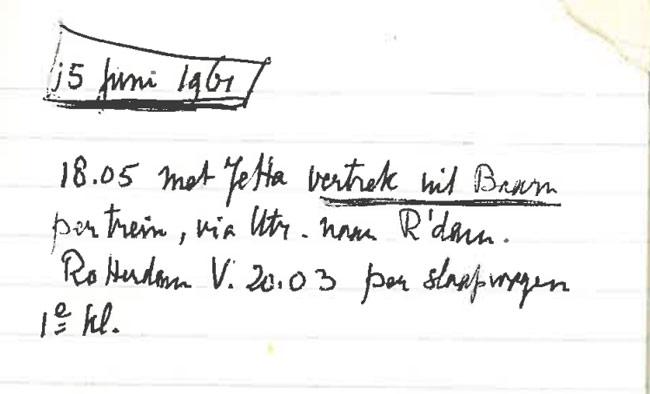
On 15 June 1961, at 18:05, Escher left Baarn together with his wife Jetta. They took the train to Rotterdam where they boarded the night train to Bern at 20:03. The next morning they arrived in Bern at 7:44. There they were picked up by Escher’s friend Paul Keller and his daughter Theresa. 

50 years of 'De Grafische'

1962

50 years of 'De Grafische'

A large exhibition was held in the Stedelijk Museum in February 1962 to celebrate the 50th jubilee of De Grafische, the association for the promotion of graphic arts. Naturally, Escher participated, as did his friend Gerd Arntz, and many other fellow graphic artists. It was not exactly the first time that graphic artists were exhibiting together and under the name of their association, but they had never done it so lavishly as they did for the jubilee exhibition. Under the title ‘Print’, 300 works were displayed at the Stedelijk Museum. 

Flying fish, birds and boats in Haarlem

1962

Flying fish, birds and boats in Haarlem

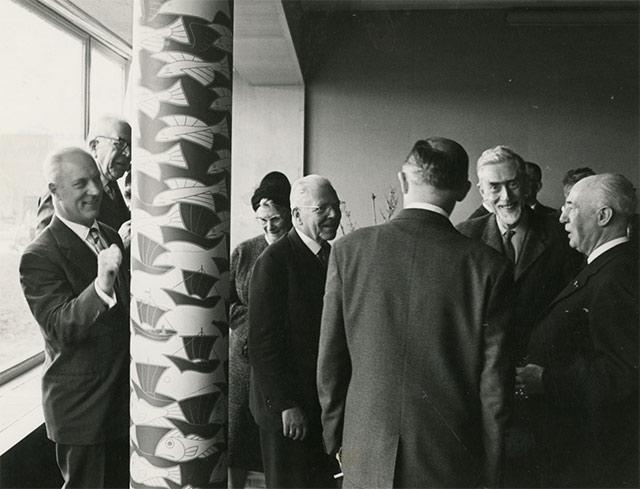
In January 1962 Escher produced four drawings, and he immediately knew what he wanted to use them for. He had received an assignment from the ‘Verenigde Noord-Hollandse Waterschappen’ (association of water management authorities) who wanted to offer a gift to the provincial water management authority in North Holland.

Cultural Prize of Hilversum

1965

Cultural Prize of Hilversum

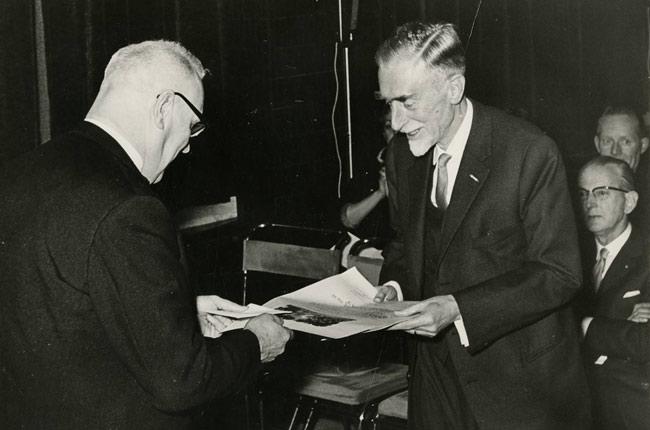
On 5 March 1965 Escher received the culture prize of the city of Hilversum. He gave a lecture in which he demonstrated once again how funny he could be. For many people, however, the name Escher calls to mind an image of a bearded, strict, precise man labouring away on mind-boggling prints in the isolation of his study.
 

Interview in Vrij Nederland

1968

Interview in Vrij Nederland

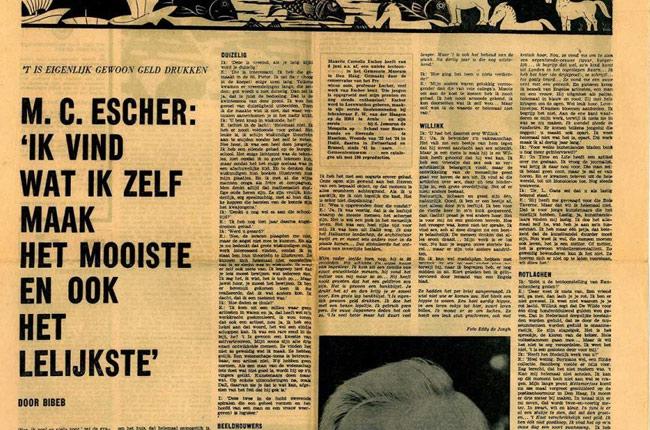
On 20 April 1968, Dutch weekly magazine Vrij Nederland published a long interview with M.C. Escher by the legendary journalist Bibeb (Elisabeth Lampe-Soutberg). The interview contains a number of striking quotes that say a great deal about the man and his work.


The Worlds of M.C. Escher

1968

The Worlds of M.C. Escher

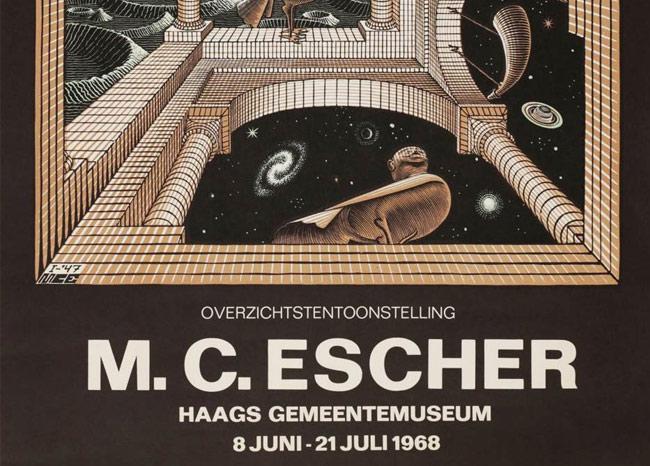
The exhibition

On 7 June 1968 ‘De werelden van Escher‘ (‘The Worlds of M.C. Escher’), the first Dutch retrospective exhibition of M.C. Escher, opened in the Gemeentemuseum in The Hague. It marked the occasion of Escher’s 70th birthday, on 17 June. It certainly wasn't his first exhibition, but it was the first time an important art museum, of its own accord, was exhibiting a retrospective of his work, approached from both an art-historical perspective and Escher’s personal systematics.
 

The Worlds of M.C. Escher

1968

The Worlds of M.C. Escher

The book

Bearing the same title as was used for the retrospective exhibition in 1968, the book De werelden van M.C. Escher (The Worlds of M.C. Escher) was launched in the Gemeentemuseum in The Hague on 23 November 1971. On 10 December, the artist himself received the first copy in the Rosa Spier Huis (retirement home for Dutch artists) in Laren. Prior to this, it was already clear that the book would be a huge success.

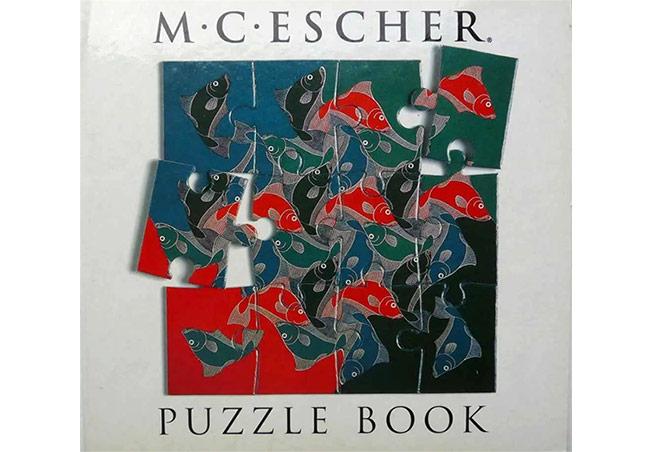
Playing with puzzles

Playing with puzzles

‘I used to love Grimms’ fairy tales a lot. As a child, even as a boy, I was very moved by them. Now I’m rereading The Hobbit, by Tolkien, the journey of those dwarfs. It’s so far removed from reality. Why (gaze stripped of all playfulness) do we have to endure this miserable reality all the time? Why can’t we just play?’
Escher said this in the long interview with journalist Bibeb, printed in weekly magazine Vrij Nederland on 20 April 1968.

A love of chess

A love of chess

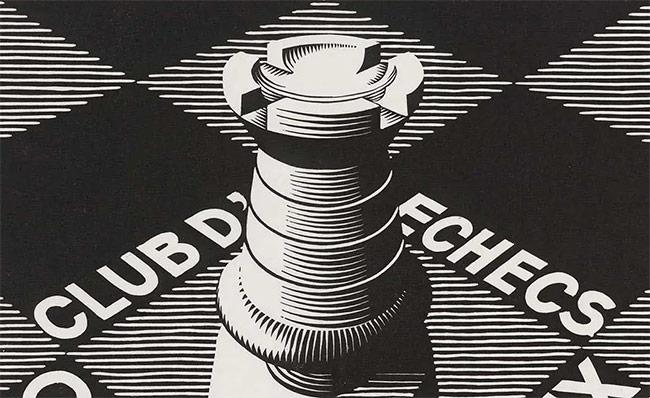
M.C. Escher loved playing chess. The strategic board game was a pleasant form of entertainment for him. Not only was he a member of several chess clubs during his life, but he also found chess a nice way to pass the time on his many boat trips. His love for this black and white board game is also reflected in his art. The best-known example can be found in his Metamorphoses. In these prints he connects the Italian town of Atrani with a tower in the sea, which in turn becomes part of a chess position.

Left-handedness

Left-handedness

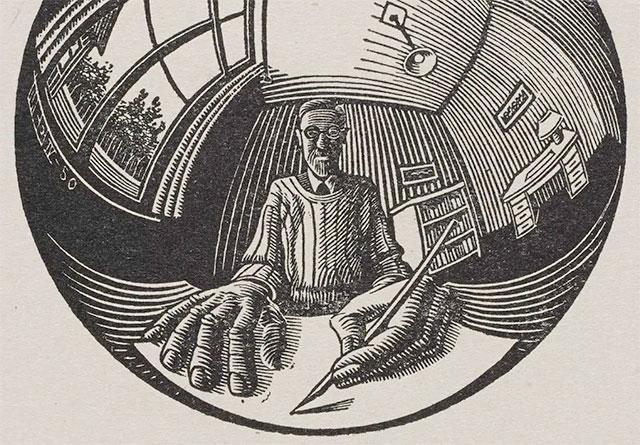
Escher’s left-handedness was dealt with heavy-handedly at school. He was forced to write and draw right-handed. This was standard practice at the time. Although those corrections hardly had any effect, he later learnt to use his right hand just as well as his left one. Being ambidextrous brought him an advantage in his artistry.
 

Man on the moon

Man on the moon

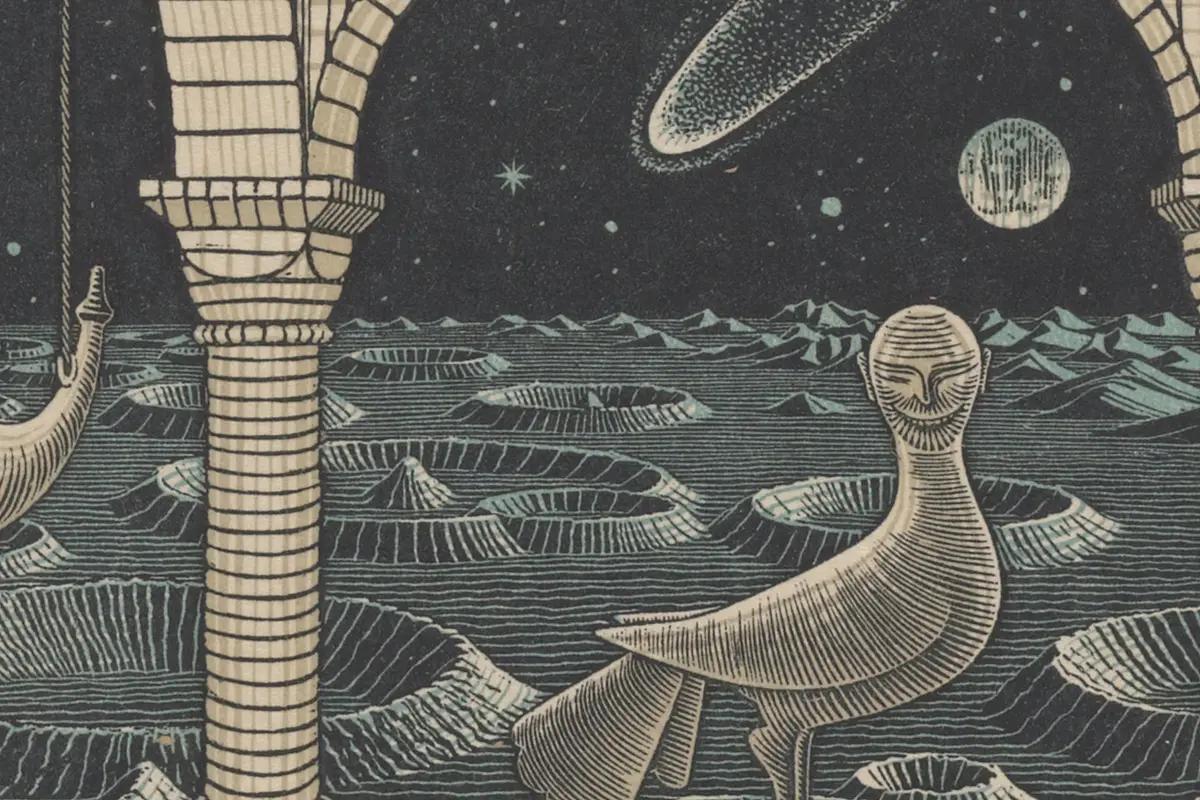
We do not know whether M.C. Escher watched the moon landing on the night of 20 to 21 July, but it is highly likely. Astronomy fascinated him throughout his life and he could gaze for hours at the night sky in search of stars and planets. In March 1961 he gave a presentation for the Baarn Rotary Club in which he spoke passionately about his observations. Observations he had been making for quite some time, but which had become all the more evident to him on a voyage to Canada in the autumn of 1960. 

Escher versus art criticism

Escher versus art criticism

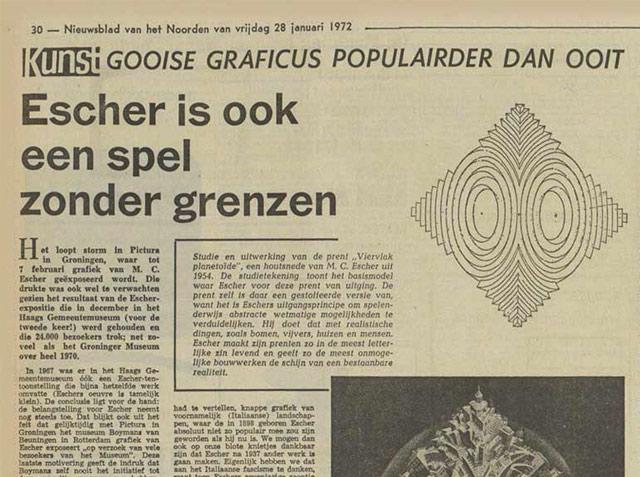
Nowadays M.C. Escher may well be very popular with both the general public and art critics, but this was certainly not always the case. He was ignored by many art lovers and critics for a long time. His work was dismissed as decorative and was at best technically deft. Content-wise he had nothing to offer. This opinion is found as far back as the earliest reviews in the twenties and kept resurfacing in the decades that followed.